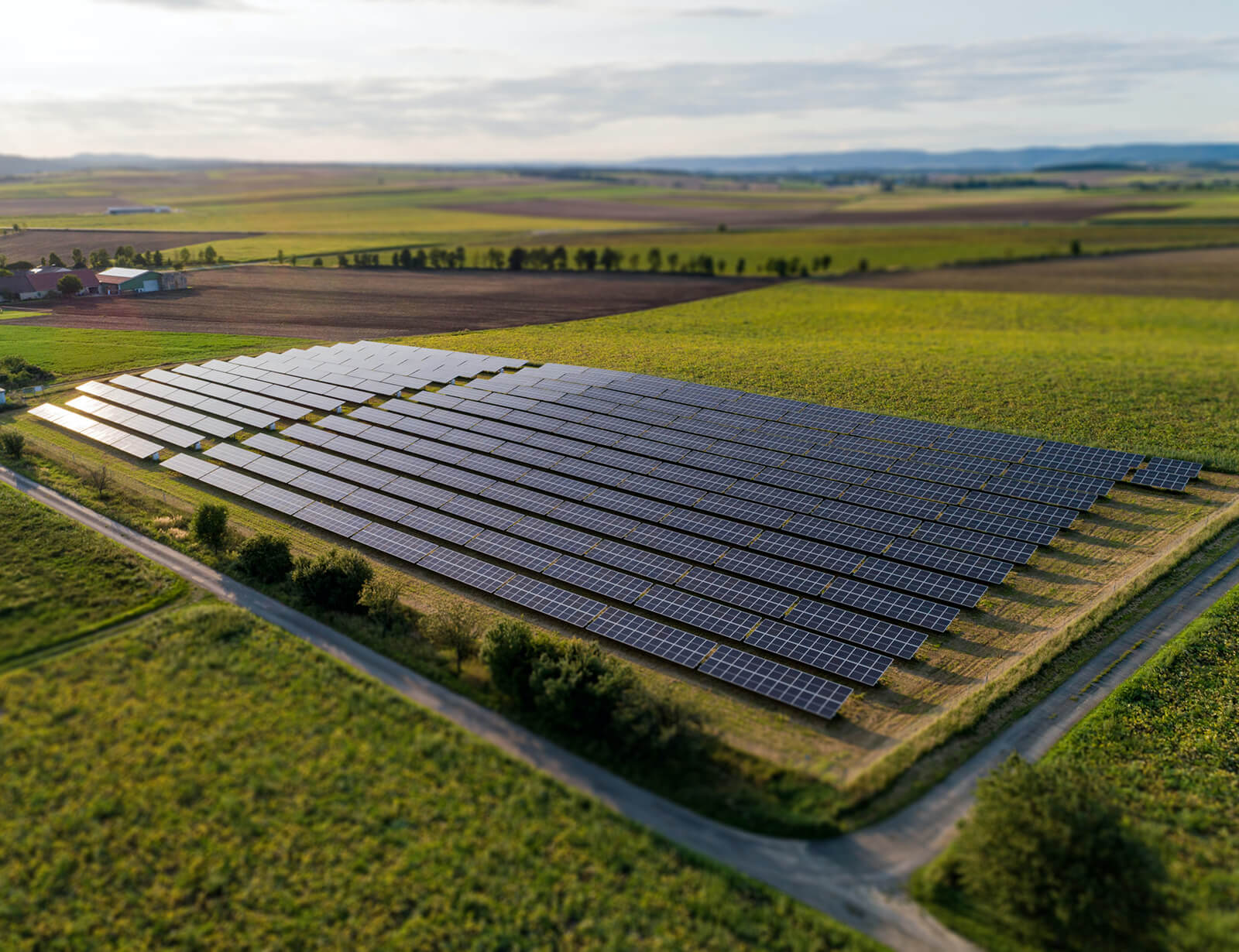
Agro-technical system of using agricultural land for food production, with simultaneous energy production. Agrivoltaic system involves the planned introduction of solar belts into perennial and annual crops, protected spaces and greenhouses, meadows and pastures, and ponds and other waters used for food production. The main goal of agrivoltaics is to improve the yield, quality, and competitiveness of agricultural products.
DOUBLE PRODUCTIVITY OF AGRICULTURAL LAND
Agrotehnički sustav korištenja poljoprivredne površine za proizvodnju hrane, uz istovremenu proizvodnju energije. Agrosolarni sustav podrazumijeva planirano uvođenje solarnih pojaseva u višegodišnje i jednogodišnje nasade, zaštićene prostore i plastenike, livade i pašnjake te ribnjake i druge vode koje služe za proizvodnju hrane.
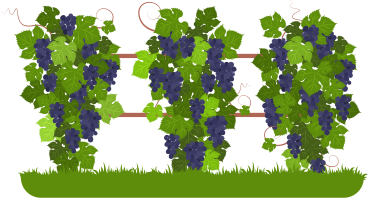
100% Grape vine
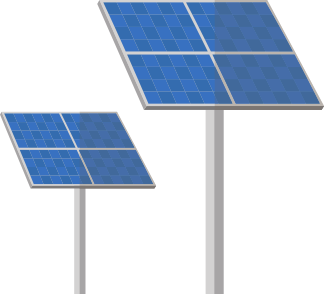
100% Solar Energy
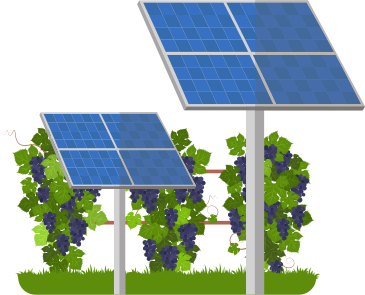
103% Grape vine + 83% Solar energy = 186% Land Use Efficiency
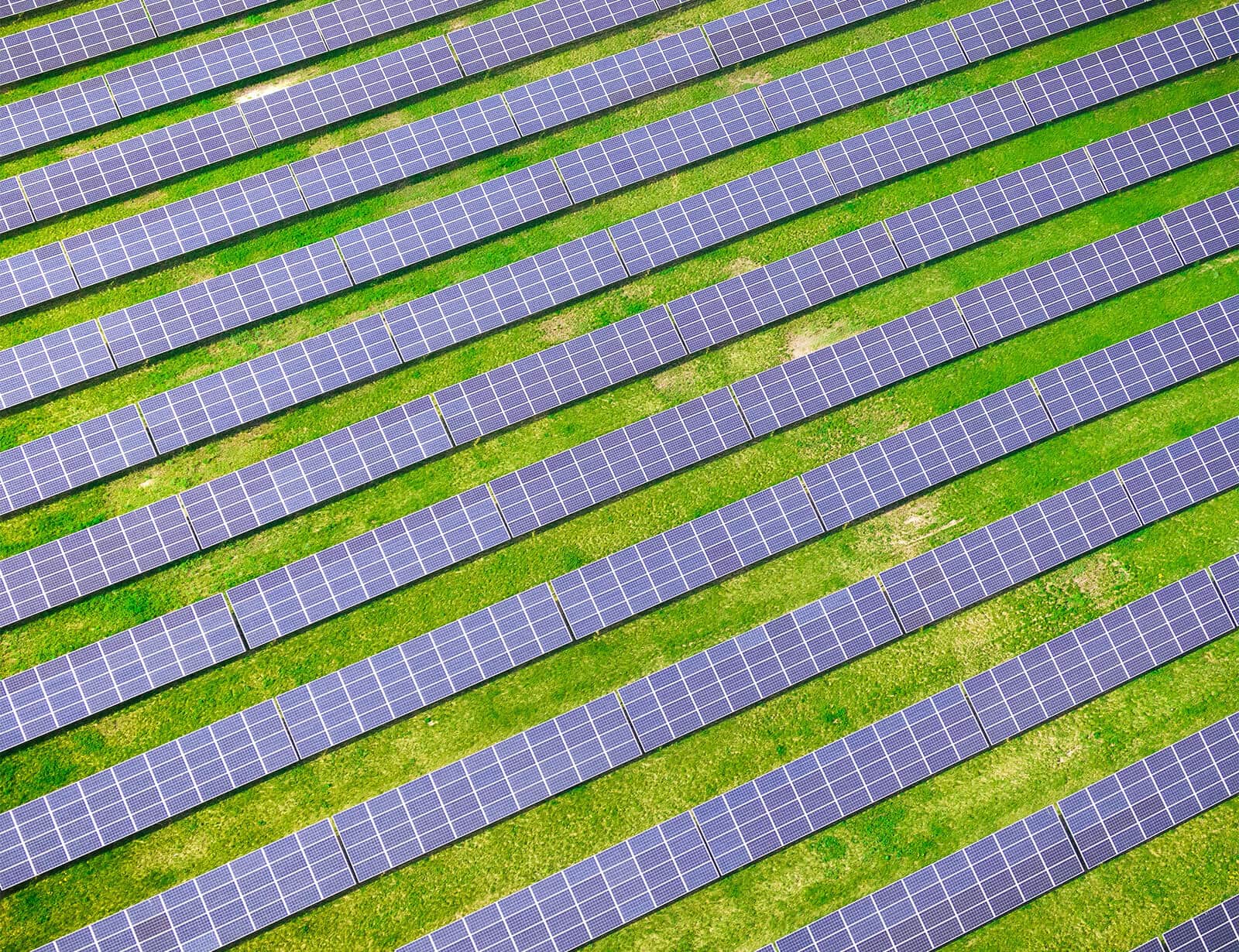
The agrivoltaic concept of using solar panels in plant production to improve the quality and increase the yield of crops combines plant cultivation with energy production.
During the growing season, total solar radiation is much higher than the amount that the plant successfully uses. This quantity, due to climate changes, is increasing every year, which leads to significant negative consequences for food production. By introducing the agrivoltaic system, the crop is protected from excessive radiation, while simultaneously producing electrical energy.
The application of agrivoltaics in plant production is specific for each production unit and apart from differing depending on the method and technology of production, the final choice of variety will influence the creation of the agrivoltaic project. For this reason, a detailed feasibility assessment by agricultural, environmental, and energy experts is needed before such a system is built.
The combined production of energy on the farm itself enables the easier application of other, often energy-intensive technologies, such as irrigation systems, protective networks, and other technologies that can maximize production.
Pastures are a key animal environment in livestock, so their quality and configuration are crucial for quality livestock production. Increased temperature and solar lead to drought and a reduction in the amount of food available for animals on the one hand, but also have other negative effects on livestock. Heat stress can directly affect animal health and reduce their milk or meat production, as well as encourage the spread of various diseases.
The application of vertical agrivoltaic belts can help maintain the health of pastures and livestock by maintaining stable temperatures and humidity on the pastures themselves, while providing animals with a place to shelter from the sun during critical weather periods.
Also, the application of vertical agrivoltaic belts enables an adequate surface management system, providing the possibility of installing irrigation systems, livestock tracking systems, and protection from diseases and predators.
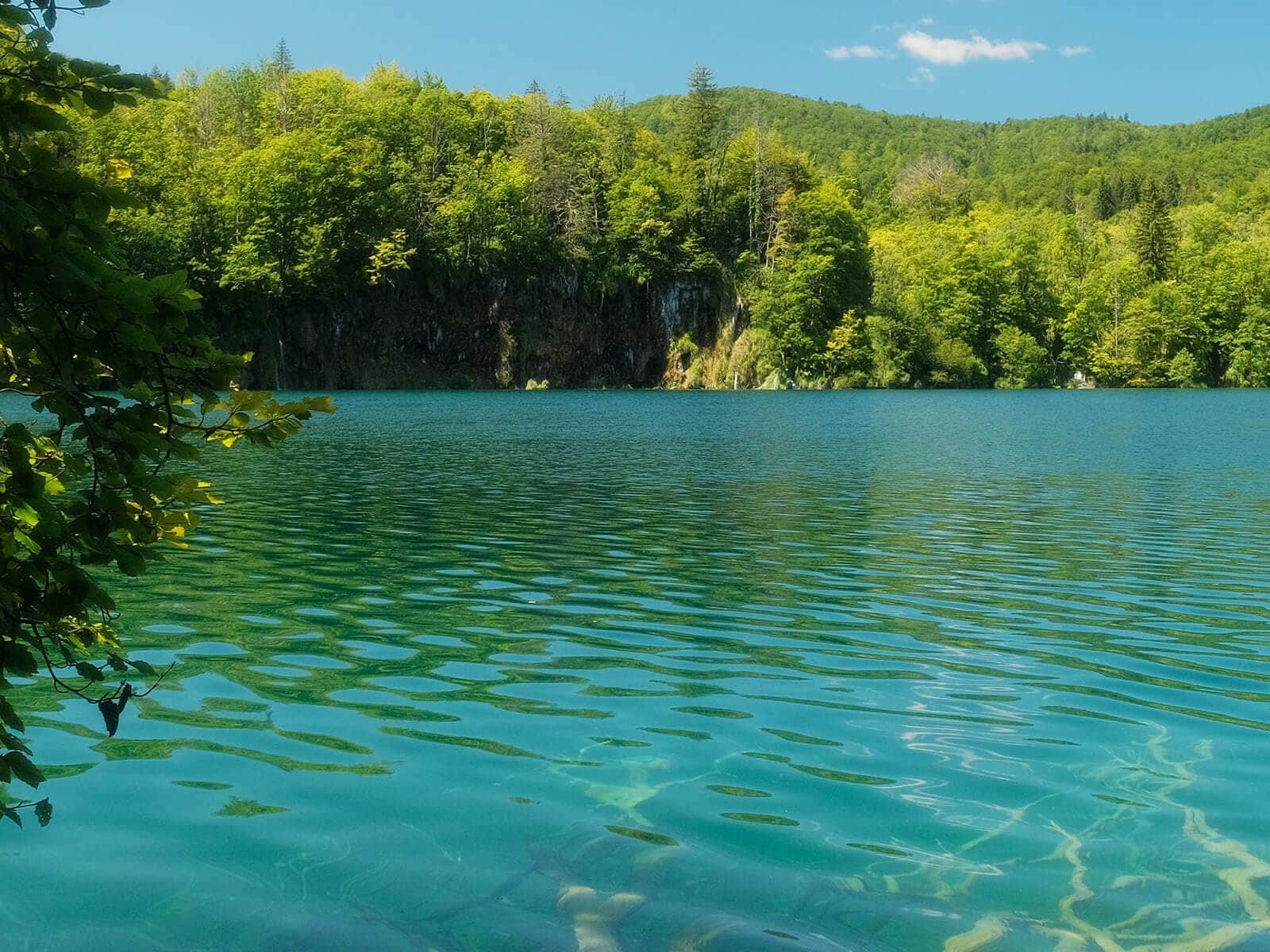
Increased temperature and solar radiation directly cause an increase in the water temperature in fish ponds, leading to excessive evaporation, a decrease in oxygen level in the water, and overheating. Such conditions significantly affect the ability of fish to grow and develop, which ultimately most often leads to a high degree of mortality.
The use of agrivoltaics in aquaculture (so-called aquavoltaics) reduces the aforementioned negative effects, maintains the optimal temperature and water level, and positively affects fish production.
The production of electrical energy on the pond can be directly used to power oxygen pumps, ventilation, and lighting, which improves conditions for fish growth and survival. Solar panels can also help maintain optimal pH values, reducing the risk of disease and other problems related to changes in water conditions.